Design Process , Methods, Stakeholder Engagement & Outcomes
Looking at the double diamond, Kea falls in to the second diamond, Develop & Deliver. Because the concept had been developed, we didn’t need to go back and do the research each time. Because the concept was designed to be adapted, we still needed to go through ideation, design development, iteration and delivery.
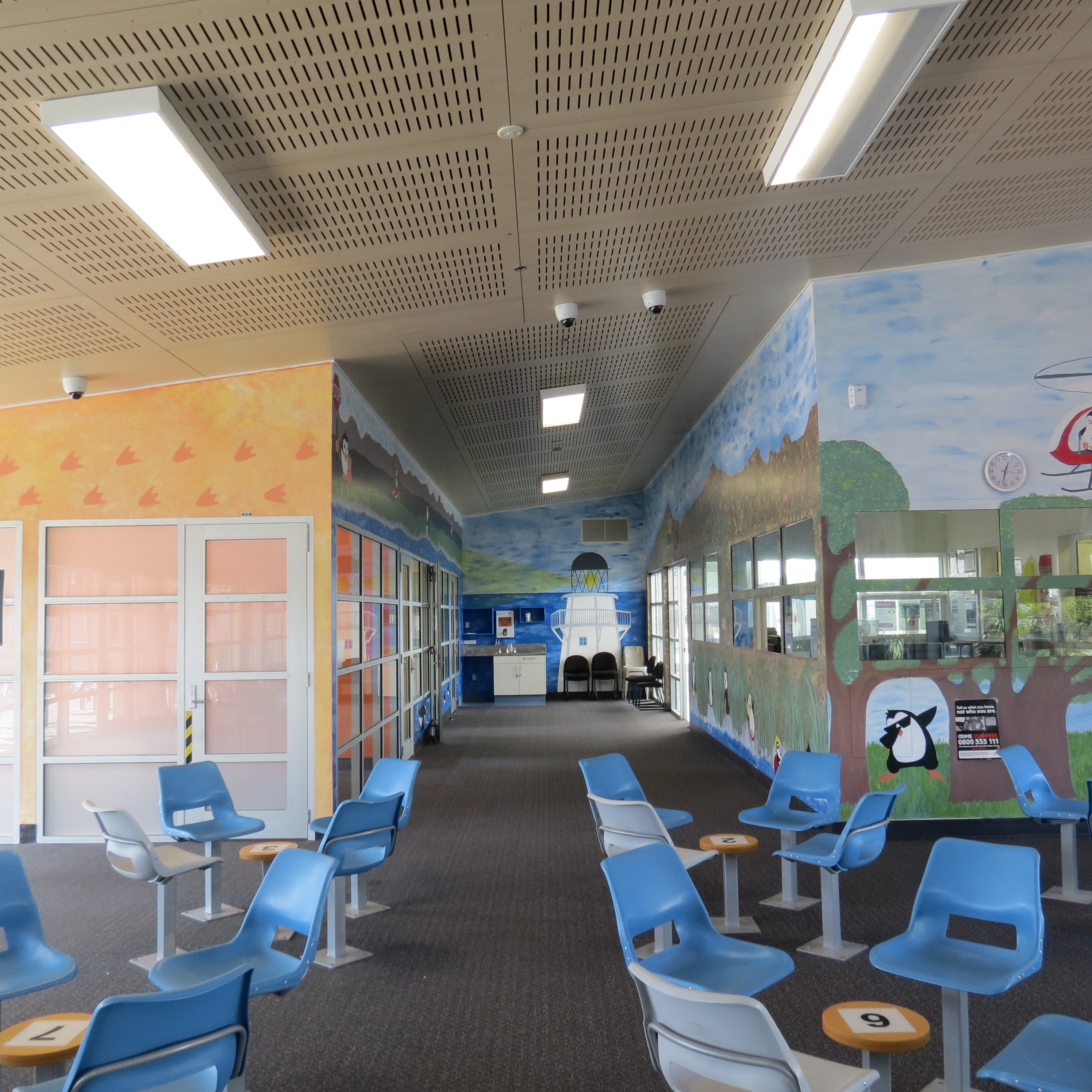
There were many design methods used during the designing of the Otago Prison Kea Project. I ran multiple workshops and ideation sessions with the men in the prison and these were held in the space they were designing for, which in this case was the visits centre. The workshops were important as we wanted the men to know and feel that they were the ones who were designing the space and we were just there to help facilitate. There was continuous iterations, constantly checking in and coming back to the men and checking through that everyone still felt this was right and usually adding more things in as we went. I also walked through the visits centre with the men, going through the space and imaging what the experience would be like for children. I also printed out pictures from other sites to show the men what was being done at other prison sites and to draw inspiration.
During this project it was really important to get staff buy in and engagement, otherwise it wouldn’t have worked. The main way I influenced them was bringing them on the journey with us, always involving them, showing them how it worked at other places and ensuring face to face meetings. I had to make sure they could see themselves in this process and ask if they had any ideas as this is a space they spend a lot of time in. They were essential in helping the project run smoothly.
The outcome of this design process was not only a engaging, uplifting space but also the men who competed the painting felt a sense of accomplishment and pride. I saw them all grow, some became leaders and some also grew in creative ways. We shared many laughs and everyone understood the great changes we were making.